
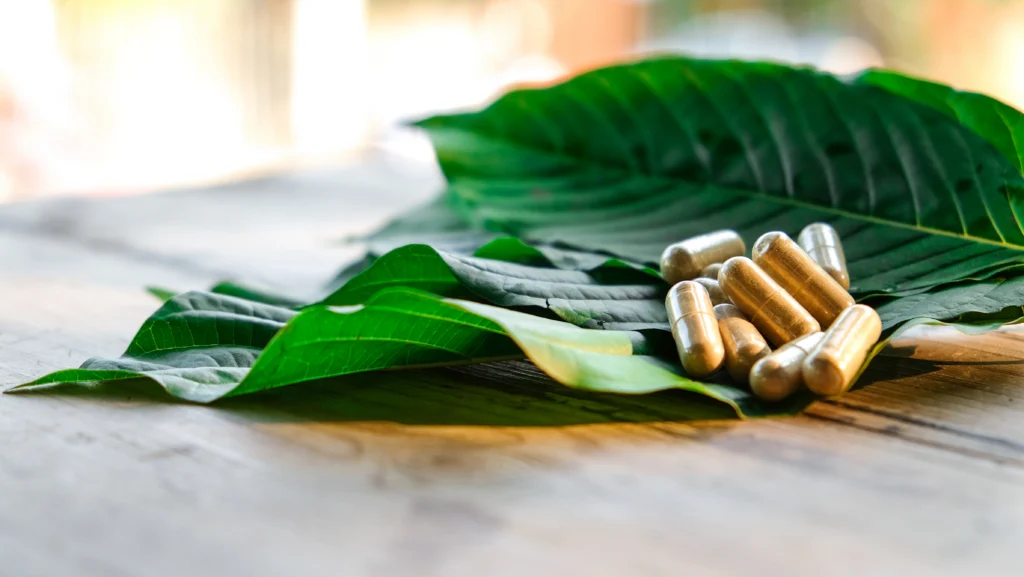
Kratom, recently found during an investigation into the deaths of two college students, has been sold in the US for around a decade. According to the Centers for Disease Control and Prevention (CDC), reports to U.S. poison centers involving kratom exposure increased roughly 1,200% from 2015 to 2025, from 258 to more than 3,400. A national study using federal survey data found that the share of Americans ages 12 and older who had ever used kratom rose from 1.6% in 2021 to 1.9% in 2024, including more than 100,000 adolescents ages 12 to 17. There is growing concern that pregnant women are using kratom without realizing the potential harm it could cause to their unborn children.
Kratom is often marketed as a natural herbal product that can boost energy, relieve pain, and support relaxation. But behind its plant-based image is a substance that can affect the brain’s opioid receptors and carry risks of addiction, physical dependence, and withdrawal.
For individuals and families, understanding the differences between kratom and concentrated 7-OH products is an important step toward recognizing potential harm and seeking appropriate support.
What Is Kratom?
Kratom (Mitragyna speciosa) is a tropical tree native to Southeast Asia. Traditionally, its leaves have been chewed or brewed into tea to combat fatigue, increase energy, and support productivity, particularly among agricultural workers.
In Western countries, kratom has gained popularity as a psychoactive substance. Some people use it for pain relief, energy, relaxation, or in an attempt to manage opioid withdrawal without medical supervision. However, a product being natural, available over the counter, or marketed as an herbal supplement does not mean it is safe.
Referred to as “gas station heroin”, the U.S. Food and Drug Administration (FDA) has warned consumers about kratom’s potential risks, including liver toxicity, seizures, substance use disorder, and other serious adverse effects. There are currently no FDA-approved medical uses for kratom.
Understanding Kratom’s Active Compounds
Kratom contains numerous naturally occurring plant chemicals called alkaloids. More than 20 alkaloids have been identified in laboratory studies, and their concentrations can vary substantially among products.
Two compounds are particularly important:
Mitragynine: Mitragynine is the primary psychoactive alkaloid found in kratom leaf. It interacts with opioid receptors and contributes to kratom’s stimulant-like and opioid-like effects. The body can also metabolize mitragynine into 7-OH.
7-Hydroxymitragynine (7-OH): 7-OH occurs naturally in kratom leaf in trace amounts. It is a potent opioid-receptor agonist associated with opioid-like effects, including pain relief, euphoria, sedation, and the potential for dependence.
Research has demonstrated that 7-OH has potent opioid activity. The FDA has specifically warned about concentrated products containing added or enhanced levels of 7-OH because they may expose consumers to significantly greater risks than traditional leaf preparations.
How Is Kratom Used?
Kratom products are available in several forms, including:
- Capsules and pills
- Powders and concentrated extracts
- Fresh or dried leaves that may be chewed
- Tea and other brewed preparations
- Liquid shots, tablets, gummies, and enhanced products containing concentrated 7-OH
Some concentrated products are sold at gas stations, smoke shops, convenience stores, and online retailers. Flavors such as blue raspberry and strawberry lemonade, along with packaging resembling energy drinks or supplements, can make them difficult to distinguish from ordinary consumer products.
The FDA has warned that some 7-OH products may be inaccurately labelled or marketed as kratom, potentially leaving consumers unaware of the substance’s potency and risks.
What Are the Effects of Kratom?
Kratom’s effects can be dose-dependent and may vary according to the product’s composition, frequency of use, and individual health factors.
In lower doses, it has stimulant-like effects. Some individuals report increased energy, alertness, and sociability. These effects may resemble those associated with stimulant substances.
In higher doses, it has opioid-like effects including sedation, pain relief, relaxation, and euphoria. Higher exposure can also increase the risk of adverse effects.
Kratom and concentrated 7-OH products can also cause unwanted effects, including nausea, vomiting, constipation, anxiety, dizziness, and changes in heart rate or blood pressure.
Kratom Dependence and Addiction: What You Should Know
Kratom is sometimes promoted as a safe herbal alternative to prescription medications, opioids, or other substances. Some individuals begin using it to manage pain, fatigue, or symptoms of opioid withdrawal.
However, repeated use can lead to tolerance, physical dependence, and patterns of use that become difficult to control.
Potential signs of kratom-related substance use disorder include:
- Using more kratom than intended or for longer than planned
- Experiencing strong cravings or urges to use
- Increasing the amount used to achieve similar effects
- Continuing to use kratom despite physical, emotional, or personal consequences
- Spending significant time obtaining, using, or recovering from its effects
- Experiencing withdrawal symptoms when reducing or stopping use
An individual can develop physical dependence even if they initially began using kratom for a specific purpose, such as pain relief.
Kratom Withdrawal: What Happens When Someone Stops?
People who regularly use traditional kratom leaf may experience withdrawal symptoms that resemble those associated with opioid withdrawal including:
- Muscle aches and body discomfort
- Anxiety, irritability, and restlessness
- Difficulty sleeping
- Fatigue and low energy
- Nausea, diarrhea, and other gastrointestinal symptoms
- Cravings and difficulty stopping use
Withdrawal from concentrated 7-OH products may be particularly severe because of their potent opioid activity.
Clinicians have reported cases in which individuals using concentrated 7-OH products experienced significant withdrawal and required specialized medical management, including high-dose buprenorphine under clinical supervision. Some patients may have complex treatment needs and require individualized care.
The FDA has also identified withdrawal symptoms associated with 7-OH products, including restlessness, body aches, fatigue, irritability, and cold sweats.
Can Kratom Addiction Be Treated?
People experiencing problematic kratom use or dependence can seek professional help.
Although there is no FDA-approved medication specifically for kratom use disorder or kratom withdrawal, clinicians may draw on established approaches to substance use treatment and tailor care to the individual’s symptoms, medical history, and needs.
Treatment may include:
- Medical assessment and withdrawal management: A qualified healthcare professional can evaluate withdrawal symptoms, identify potential complications, and determine whether a higher level of medical care is necessary.
- Medication when clinically appropriate: Some clinicians use medications such as buprenorphine to manage kratom-related dependence or withdrawal, particularly when opioid-like symptoms are present.
- Counseling and behavioral therapies: Counseling can help individuals understand patterns of substance use, address contributing factors, develop coping strategies, and build skills that support recovery.
- Peer and recovery support: Support groups and recovery communities can help individuals feel less isolated and strengthen their ongoing recovery efforts.
Treatment should be individualized. A person using traditional kratom leaf may have different clinical needs from someone using concentrated 7-OH products or multiple substances.
Take the First Step Toward Recovery
At Greenbranch Recovery & Wellness, we recognize that substance use challenges can affect people from all backgrounds and walks of life. Whether someone is struggling with kratom, concentrated 7-OH products, or another substance, seeking help is an important step toward recovery.
Lynn Recchuiti, Resilience and Wellness Consultant elaborates: “An over-the-counter purchase can become an under-the-surface problem. Kratom can alter your mind and mood and lead to dependence, but the deeper conversation is…why the pain and what feeling are you trying to escape from? That’s where group and individual therapy matter. We have those conversations and help people address the pain they’ve been trying to escape.”
No one should have to navigate substance use concerns alone. Professional guidance can help individuals understand their options, address underlying challenges, and work toward lasting wellness.
If you or someone you care about is experiencing kratom dependence or struggling to stop using concentrated 7-OH products, reach out to our team TODAY.
Recovery is possible, and help is available.